

Lead Acquisition Campaign
We know how hard it can be to find the right customers, and we’re here to make it easier—without breaking the bank. Let’s lower your costs and bring in high-quality leads that actually convert, and do it in a way that feels personal and tailored to your audience.
What You’ll See

Lower Costs, Better Results
More leads, at a lower cost.

Higher Conversions
Watch as your landing pages work harder, converting visitors into valuable leads.

More Engagement
Your audience will want to hear more, and they’ll be eager to take the next step.
What We Will Do
Interview & Consultation
An initial consultation to understand the brand’s current position, strengths, and areas for improvement, helping set clear project goals.
Branding Clarification
A series of 6 to 10 meetings to find marketing opportunities within the client’s business, allowing for campaign planning without upfront commitments.
Productization
Creating online or offline campaigns as lead magnet that not only attracts customers but keeps them engaged over the long haul. Focus on quality that strengthens loyalty and lifetime value.
Social Currencies Activation
Key insights from previous meetings are turned into 2 to 4 focused marketing strategies to attract and engage customers.
Execution & Observation
A structured 6 to 8-week action plan is created to launch marketing strategies and align them with business goals.
Data Analysis and Marketing Reports
A marketing calendar is used to track progress, make improvements, and ensure branding efforts lead to business growth.
INTERVIEW AND CONSULTATION
Paper Plane conducts an initial “Interview Process” to develop a mutual understanding with potential clients. This consultation is a diagnostic step to assess the brand’s current market positioning. By identifying key strengths, gaps, and opportunities, we establish clear project goals that define success throughout the collaboration
BRANDING CLARIFICATION
A series of 4 to 8 meetings focused on “Branding Ingredients Exploration” is conducted to identify marketing opportunities within a prospect’s operations. This allows for developing effective campaigns without requiring upfront financial or resource commitments.
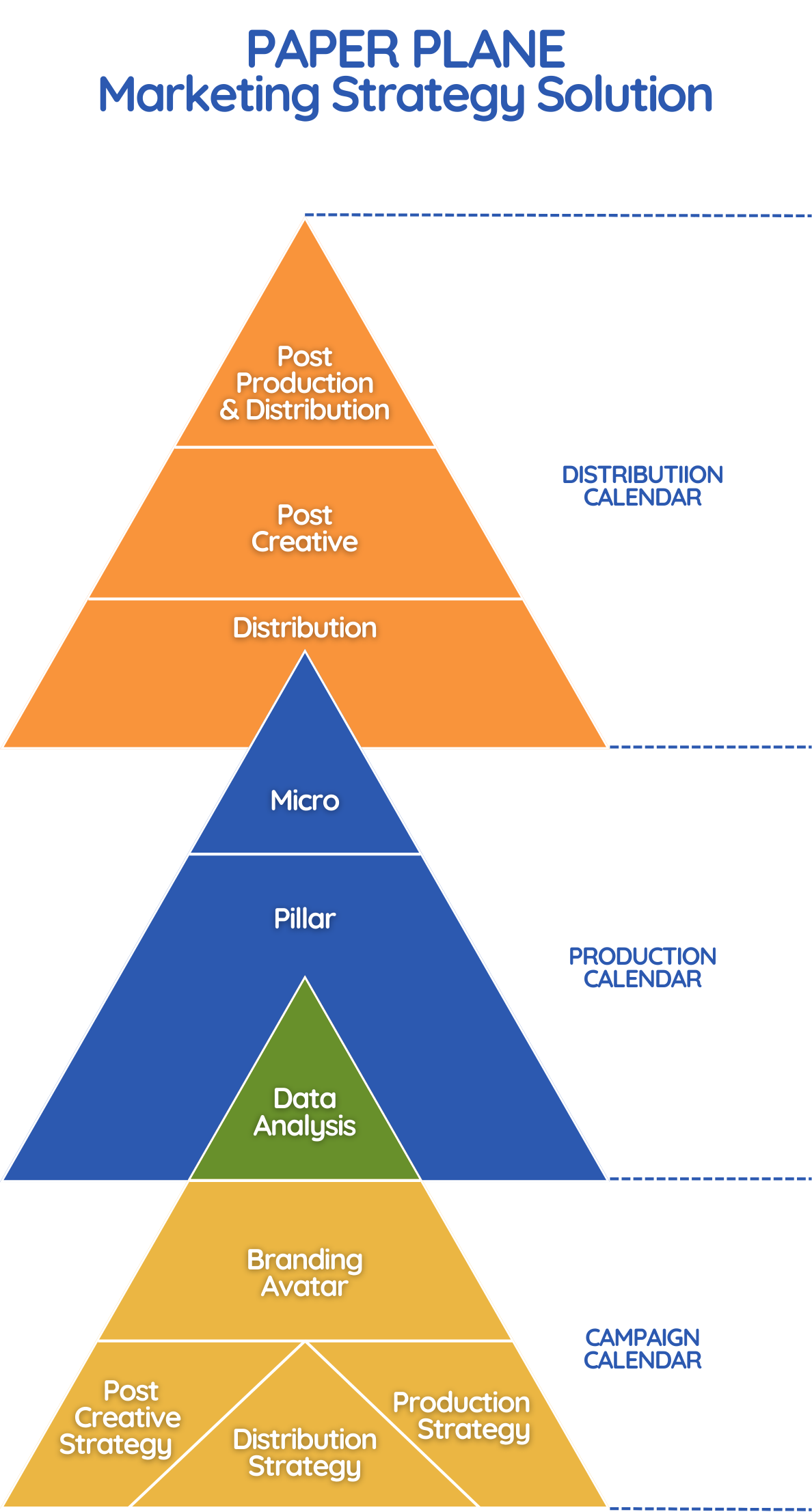
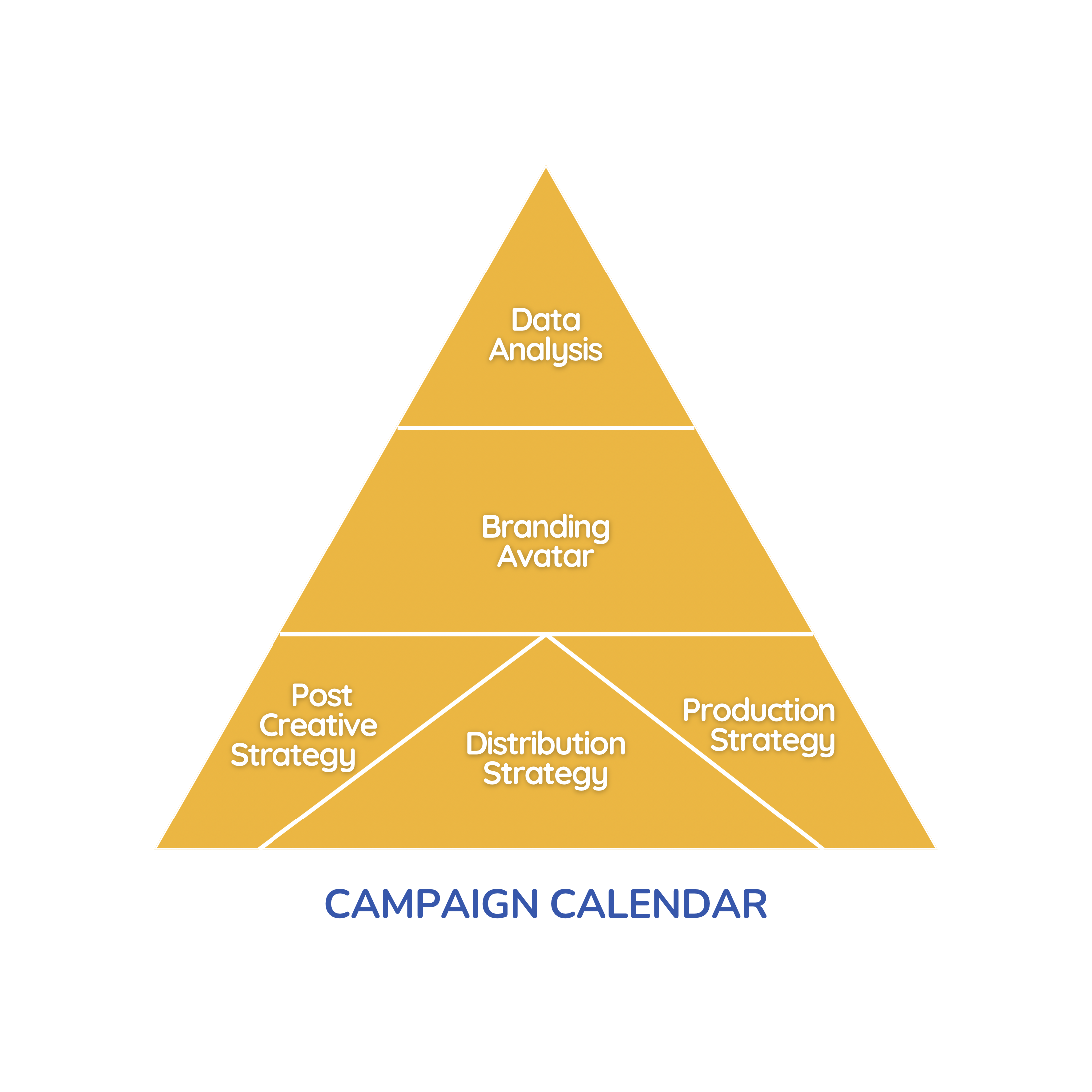
Campaign Calendar
Customer Acquisition Cost (CAC) Analysis
Cost Analysis
- Objective: Understand the total costs associated with acquiring a single lead.
- What It Involves:
- Calculation of CAC: Sum up all marketing, sales, and operational expenses related to CAC activation (ad spend, content production, promotions, personnel salaries, software tools) and divide by the number of new leads acquired during the same period.
- Insights Gained:
- Determine whether the current branding and marketing budget is being allocated effectively and efficiently.
- Identify which channels (social media, email marketing, PPC, etc.) deliver the best results for the least cost.
- Purpose: This helps businesses identify areas where they might be overspending and opportunities to optimize resource allocation.
Lifetime Value (CLTV) vs. CAC Comparison
Profit Comparison
- Objective: Measure the efficiency of the acquisition process by comparing the gross profit per customer against the CAC.
- What It Involves:
- Gross Profit: Revenue generated per customer minus the cost of sales.
- Key Ratio:
- A healthy business typically aims for a CLTV-to-CAC ratio of at least 3:1. This means the lifetime value of a customer should ideally be three times the cost of acquiring them.
- If the ratio is lower, it indicates inefficiency in the acquisition strategy.
- Insights Gained:
- Identify which customer segments are the most profitable with a 80:20 ratio, where 20% represents customers with the highest CLTV.
- Understand if acquisition efforts are yielding sufficient returns.
Strategies for Optimization
Strategic Adjustment
- Objective: Use insights from CAC and CLTV analysis to fine-tune marketing strategies and focus on the most profitable customer segments.
- What It Involves:
- Segment Analysis: Break down data by customer demographics, behaviors, and purchasing patterns to identify high-value segments.
- Channel Optimization: Invest more heavily in marketing channels that deliver the best CLTV-to-CAC ratio.
- Retention Strategies: If the CLTV is lower than desired, focus on improving customer relationship and retention, and increasing repeat purchases (e.g., loyalty programs, better customer service, exclusivity).
- Customer Quality: Prioritize attracting customers who are likely to remain loyal and generate significant revenue over time.
- Purpose: Strategic adjustments ensure marketing efforts attract customers and maximize long-term profitability.
Branding Avatar
Definition and Importance
A branding avatar is a carefully crafted representation of the brand that encapsulates its core identity, values, and personality. It acts as the brand’s “humanized” face, making it relatable and fostering a stronger emotional connection with the target audience.
Key Elements of a Branding Avatar
1) Core Identity Alignment:
- The branding avatar reflects the essence of the business, including its mission, vision, and values.
- It serves as a relatable figure that personifies the brand’s purpose and creates a lasting impression.
2) Consistency in Representation:
- By maintaining a clear and consistent identity, the avatar ensures that all communication—whether through marketing campaigns, customer interactions, or social media—resonates with the audience.
3) Emotional Resonance:
- A strong branding avatar helps businesses connect emotionally with customers by mirroring their aspirations, beliefs, or lifestyles.
Building Emotional Resonance with Customers
Why Is the Branding Avatar Important?
1) Customer Resonance:
- It enables the business to resonate deeply with its customers by presenting a relatable identity that aligns with their expectations.
- The avatar simplifies the way customers perceive and connect with the brand.
-
2) Building Trust:
- A consistent and relatable branding avatar fosters trust and encourages customers to engage confidently with the business.
- Trust, in turn, leads to enhanced customer loyalty.
3) Supporting Data Analysis:
- Without a well-defined branding avatar, data analysis becomes fragmented and less effective.
- The avatar acts as a lens through which customer insights (from CAC, CLTV, and other metrics) are interpreted, ensuring that campaigns align with the audience’s needs and preferences.
- For example:
- If a brand avatar represents “affordability and accessibility,” data analysis would focus on targeting cost-sensitive segments and value-driven channels.
- Conversely, a luxury-focused avatar would guide strategies toward exclusivity and premium experiences.
-
4) Strategic Alignment:
- The branding avatar ensures that the brand message aligns seamlessly with customer expectations, making marketing campaigns more impactful.
- It becomes the foundation for developing campaigns, crafting messages, and choosing the right channels to engage the audience.
PRODUCTIZATION
The retrieval of “Branding Ingredients” from the learning process serves as a foundation for continuous marketing evolution. In Phase Three: Social Currencies Activation, these ingredients are strategically developed into two to four “Marketing Vehicles” with targeted outreach. These vehicles are designed to drive both inbound and outbound marketing efforts, supporting initiatives such as Lead Generative Portals and Sales-Conversion Gentrification.
Production Strategy
Production Framework
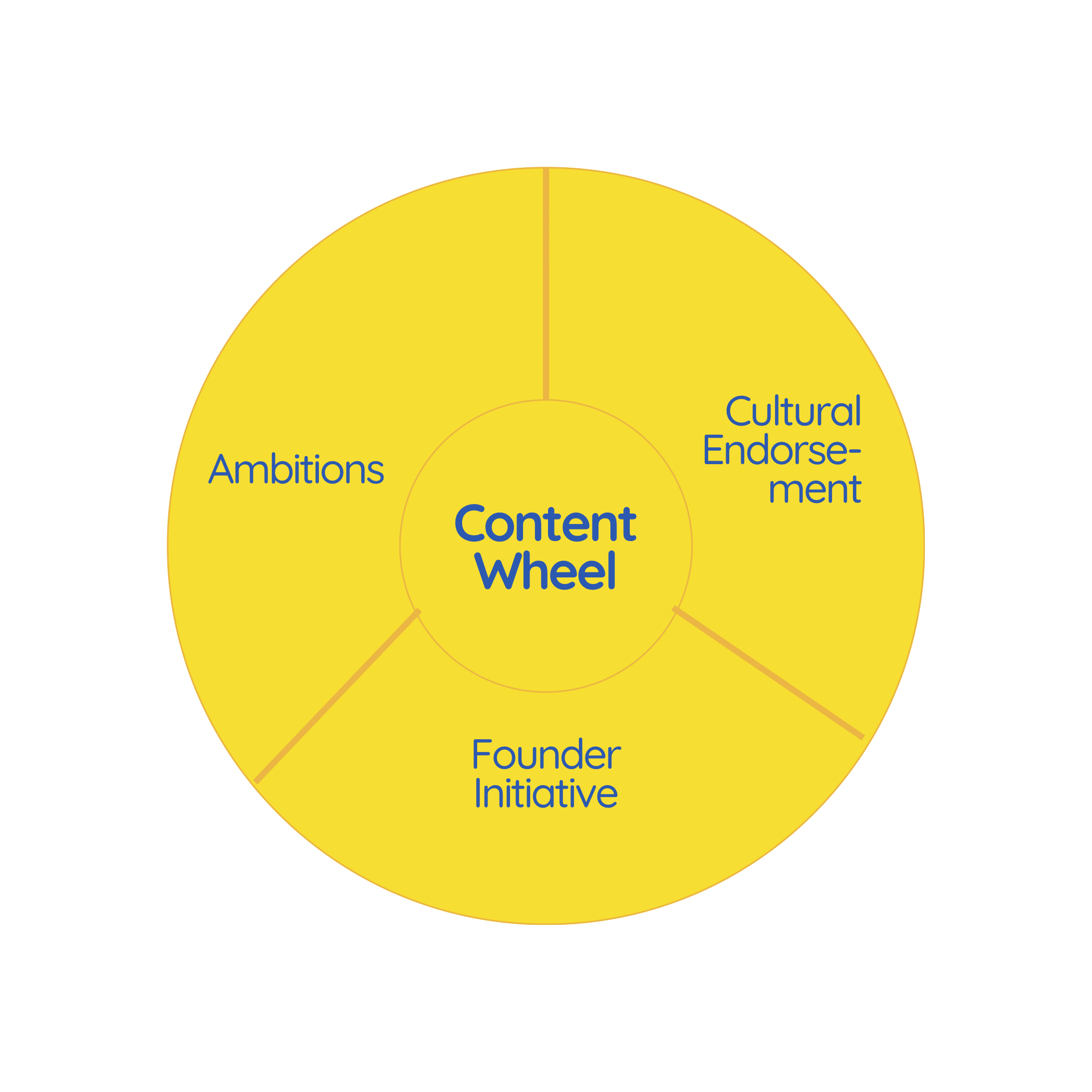
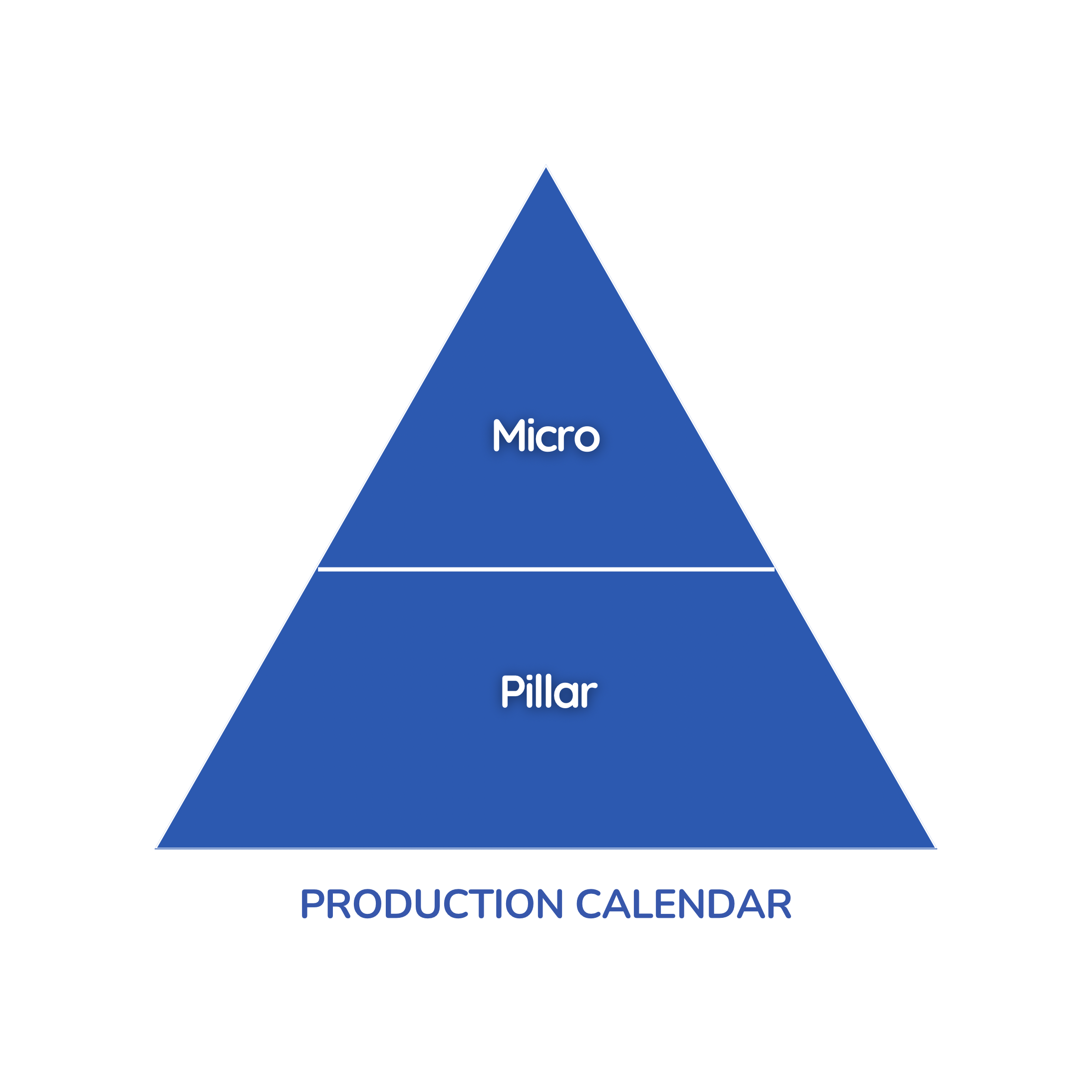
The Production Calendar is the cornerstone of content creation, designed to balance. Pillar Content (long-form, brand-defining materials) with Micro Content (short, platform-specific, high-engagement pieces). This approach ensures a cohesive brand narrative while maximizing audience interaction across various platforms.
Pillar Content
- Definition:
- Pillar Content includes comprehensive, brand-focused materials such as long-form videos, podcasts, blog articles, or in-depth guides.
- It is the foundation for all content strategies and communicates the brand’s identity, values, and expertise.
- Purpose:
- Establish the brand as a thought leader or authority in its niche.
- Build trust and credibility with the audience by providing valuable and meaningful content.
- Examples:
- A 60-minute brand documentary or behind-the-scenes video.
- A podcast series discussing industry trends or customer stories.
- Detailed “how-to” blogs or e-books.
- Output:
- These materials are standalone assets and the source from which Micro Content is derived.
- Captions, hashtags, and CTAs are customized to align with platform-specific engagement practices.
Micro Content
- Definition:
- Short, engaging pieces extracted from Pillar Content are tailored for specific platforms.
- Designed to drive interaction, reach, and engagement by leveraging trends and platform-specific formats.
- Purpose:
- Maximize the lifespan and impact of Pillar Content by repurposing it into diverse formats.
- Maintain a consistent presence on fast-paced platforms like Instagram, TikTok, and YouTube Shorts.
- Examples:
- Snippets from a podcast transformed into Instagram Reels or TikTok videos.
- Memes or teaser clips that highlight a key message from a brand documentary.
- Text-over-video short clips summarizing a blog post or guide.
- Key Characteristics:
- Easy to consume, visually engaging, and optimized for mobile use.
- Focuses on call-to-action (CTA) elements to encourage sharing, liking, or commenting.
Production Calendar Directory
The Production Calendar Directory serves as a structured workflow for planning, creating, and distributing both Pillar and Micro Content. It ensures a balanced mix of content types and consistency across all platforms.
- Integrated Elements:
- Text: Scriptwriting, captions, blog posts, and quotes.
- Photo: High-quality images for posts, thumbnails, or carousels.
- Video: Both short-form and long-form formats, tailored to each platform.
- Content Categorization:
- Short-Form Videos:
- Instagram Reels, TikTok videos, YouTube Shorts, teaser trailers.
- Focused on entertainment, trends, and quick engagement.
- Long-Form Videos:
- Podcasts, full-length documentaries, testimonials, or educational series.
- Focused on storytelling, brand-building, and audience retention.
- Platform-Specific Adaptation:
- Content is formatted and styled to suit the unique requirements of each platform (e.g., vertical videos for TikTok and Reels, horizontal for YouTube).
- Captions, hashtags, and CTAs are customized to align with platform-specific engagement practices.
SOCIAL CURRENCIES ACTIVATION
With the marketing vehicles established in the previous phase, the next step is the critical execution of “Resources Deployment” and “Blueprints Submission.” These elements are structured into a “Project Managing Calendar,” which spans an average of six to eight weeks for preparation. This phase aligns with the prerequisites of both Inbound and Outbound Hotspot Marketing Strategies.
Platform-Specific Content Adaptation
Why This Framework Matters
- Streamlined Workflow:
- A unified calendar simplifies planning, ensuring content creation aligns with marketing campaigns and audience needs.
- Efficient Resource Utilization:
- Repurposing Pillar Content reduces production time and costs while increasing output variety.
- Audience-Centric:
- Diversified formats and platform-specific optimization ensure the brand reaches and resonates with its target audience.
- Sustained Engagement:
- Micro Content keeps the brand top-of-mind between major releases of Pillar Content.
- Data-Driven Refinement:
- Insights from audience interaction with Micro Content can inform future Pillar Content strategies.
Implementation Tips:
- Plan: Use the Production Calendar to schedule content creation and release dates for both Pillar and Micro Content.
- Leverage Analytics: Track performance metrics for each content type to refine future strategies.
- Iterate & Evolve: Stay updated with platform trends and adjust content formats accordingly.
EXECUTION AND OBSERVATION
This phase allows time for prospects to adopt “Social Currencies Activation” while observing adjustments within their operational and non-operational environments. A structured “Marketing Campaign Calendar” is developed to assess risks and potentials during campaign execution. This process enables ongoing refinements to marketing vehicles, ensuring they align branding capabilities with targeted growth objectives.
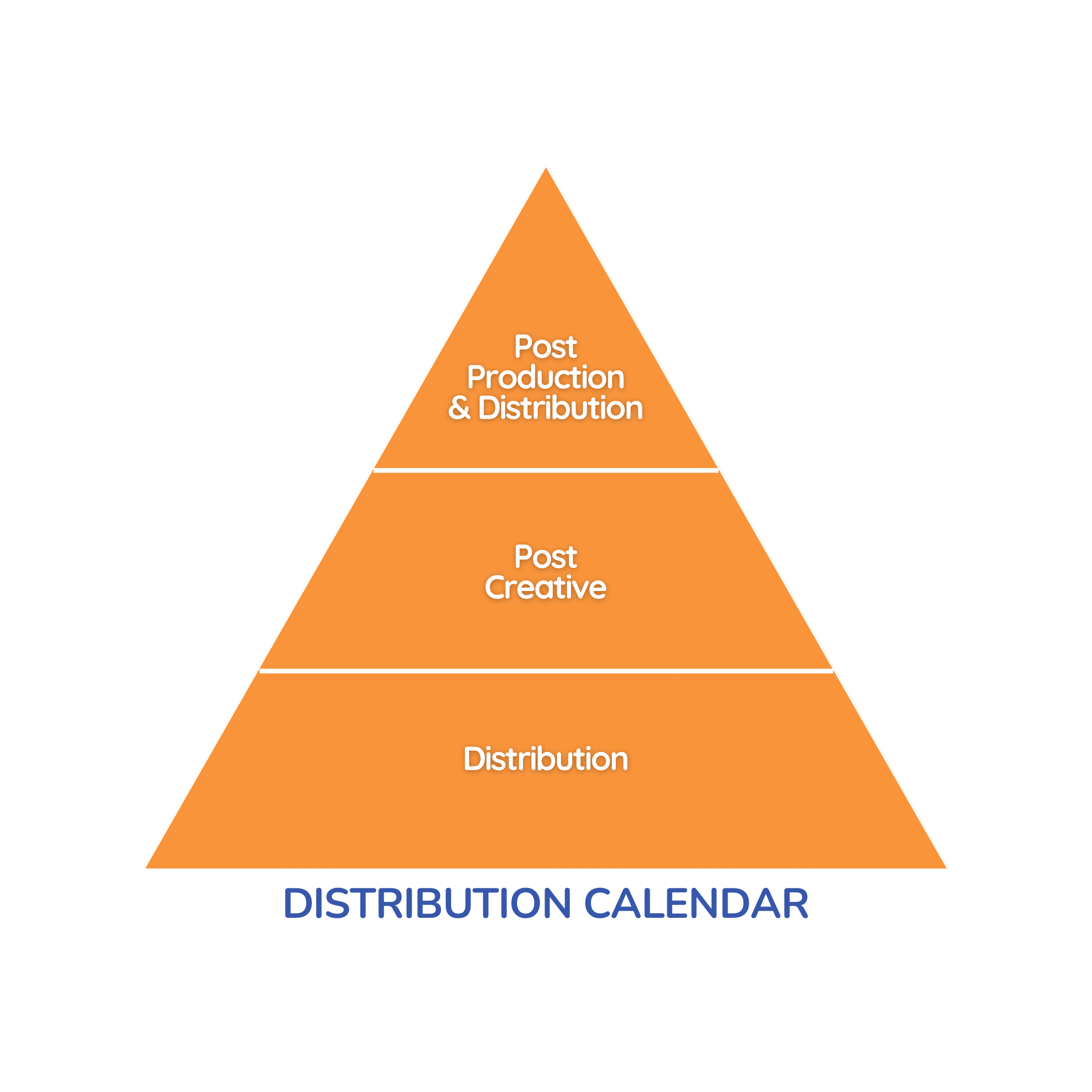
Distribution Calendar
Overview of Distribution Channels
The Distribution Calendar is a structured framework for planning, delivering, and optimizing content across platforms. It ensures that content is strategically shared, evaluated, and refined to maximize its reach and impact while staying aligned with the brand’s goals and target audience.
Distribution Strategy
The first step involves developing a strategic plan to ensure content reaches the right audience on the most appropriate platforms at the right time.
- Platform-Specific Focus:
- Social Media: Share content on platforms such as Instagram, Facebook, TikTok, LinkedIn, and YouTube, optimized for their unique formats and audience behaviors.
- Owned Channels: Utilize brand websites, blogs, and email newsletters to engage directly with your audience.
- Paid Media: Distribute content using paid promotions, such as Google Ads, Facebook Ads, or influencer partnerships, to amplify reach.
Campaign Timelines:
- Alignment with Target Audiences:
- Ensure content aligns with the target audience’s demographics, preferences, and behaviors on each platform.
- Tailor messaging, tone, and visuals to resonate with specific audience segments.
- Timing and Frequency:
- Schedule content releases based on audience activity patterns, such as peak engagement hours on social platforms.
- Plan a balanced mix of evergreen content (timeless) and seasonal or trend-based posts.
DATA ANALYSIS AND MARKETING REPORTS
Upon completing designated marketing campaigns, an overarching analytical mainframe evaluates “Campaigns Metrified Success” against the “Invested Marketing Budget.” This assessment is based on three key marketing metrics: Customer Acquisition Cost (CAC), Customer Lifetime Value (CLTV), and Conversion Rate Optimization (CRO). These insights help prospects refine resource allocation for future campaign cycles, ensuring cost efficiency and enhanced branding effectiveness.